Cappadocia Fairy Chimneys
Cappadocia Fairy Chimneys are not just an extraordinary geological phenomenon; they encapsulate the essence of Cappadocia’s unique landscape. These iconic rock formations, with their surreal shapes and enchanting beauty, draw millions of visitors to this region in Turkey each year. The Cappadocia Fairy Chimneys represent a vivid tapestry of nature’s artistry, shaped by centuries of volcanic activity and erosion. In this article, we will delve deep into the captivating world of the Cappadocia Fairy Chimneys, explore the intricacies of Cappadocia geology, and uncover what makes Cappadocia’s unique landscape a must-visit destination for travelers and geology enthusiasts alike.
By reading this article, you will gain a comprehensive understanding of the geological processes that formed these remarkable structures, practical insights for visiting Cappadocia, and a deeper appreciation for the natural wonders that lie within this enchanting region. Let’s embark on this journey to discover the captivating allure of the Cappadocia Fairy Chimneys.
Understanding Cappadocia Fairy Chimneys and Their Importance
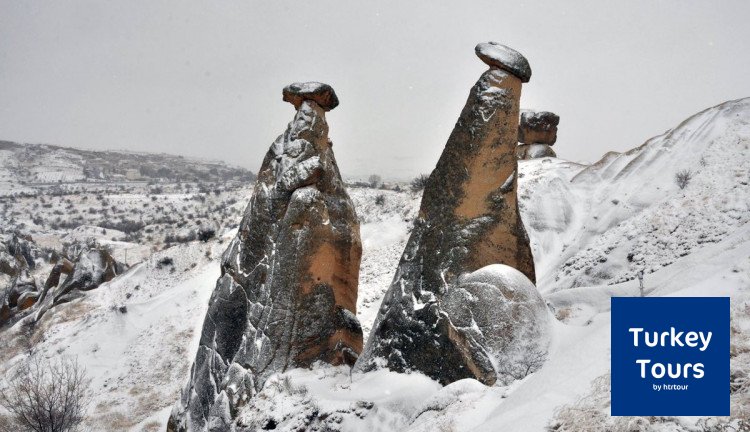
Understanding the Cappadocia Fairy Chimneys begins with recognizing their significance in both geological and cultural contexts. These formations are primarily found in the Göreme National Park and surrounding areas, where the unique geology of Cappadocia creates a mesmerizing landscape. The fairy chimneys are essentially tall, thin spires of rock that rise dramatically from the ground, often topped with a capstone that adds to their whimsical appearance.
The importance of these formations extends beyond their aesthetic appeal; they are also a testament to the geological history of the region. The interplay of volcanic activity, erosion, and sedimentation has created a landscape that is not only visually stunning but also scientifically valuable. Understanding this geology is crucial for appreciating the natural beauty of Cappadocia and its fairy chimneys.
The Cappadocia Fairy Chimneys are a prime example of how natural forces can shape our world, offering insights into past climatic conditions and geological events. They also hold cultural significance for the local inhabitants, who have historically used these formations for shelter, storage, and even as places of worship. This rich history adds another layer of interest for visitors exploring Cappadocia’s unique landscape.
Cappadocia’s Unique Landscape and Fairy Chimneys
How Cappadocia Fairy Chimneys Were Formed
The formation of Cappadocia’s fairy chimneys can be traced back millions of years to a period of intense volcanic activity. The region is primarily composed of soft volcanic tuff, which is easily eroded by natural forces. Over time, layers of volcanic ash and lava solidified into rock formations. The fairy chimneys began to take shape as erosion selectively wore away softer rock layers while leaving behind harder caps intact.
Geological Processes Behind Cappadocia’s Unique Landscape
Cappadocia’s unique landscape is characterized by various geological processes that have shaped its topography. The primary processes include:
Volcanic Eruptions
The region was formed by multiple volcanic eruptions from nearby mountains such as Mount Erciyes and Mount Hasan. These eruptions deposited layers of ash and lava across the landscape.
Erosion
Wind and water erosion play critical roles in shaping the fairy chimneys. Over millennia, these elements have worn away the softer tuff, leaving behind the striking spires that we see today.
Sedimentation
As volcanic material settled over time, it formed layers of rock that contribute to the distinct stratification seen in the fairy chimneys.
These geological processes contribute not only to the fairy chimneys’ formation but also to the overall beauty and uniqueness of Cappadocia’s landscape.
Cultural Significance of Cappadocia Fairy Chimneys
The fairy chimneys hold significant cultural importance for both ancient and modern inhabitants of Cappadocia. Historically, these formations provided shelter for early civilizations, who carved homes and churches into the soft rock. This practice continues today, with many tourists visiting these ancient dwellings.

Göreme Open-Air Museum and Cappadocia’s Rock-Cut Heritage
One of the most famous examples of human adaptation to Cappadocia’s unique landscape is the Göreme Open-Air Museum. This UNESCO World Heritage Site features rock-cut churches adorned with stunning frescoes dating back to the Byzantine era. The fairy chimneys surrounding this site provide a dramatic backdrop for exploring the history and culture of early Christian communities in the region.
Visitors to Göreme can witness firsthand how the fairy chimneys were integrated into daily life and spirituality, enhancing their understanding of both geological and cultural narratives in Cappadocia.
Ecological Aspects of Cappadocia’s Unique Landscape
Beyond their geological and cultural significance, the Cappadocia fairy chimneys also contribute to a diverse ecosystem. The unique landscape supports various flora and fauna adapted to the region’s specific climatic conditions.
Biodiversity Around Cappadocia Fairy Chimneys
The varying elevations and microclimates created by the fairy chimneys allow for a rich diversity of plant species. From wildflowers to unique shrubs, visitors can observe how life flourishes in this seemingly harsh environment. Additionally, many bird species find refuge in the rocky crevices and valleys, making Cappadocia a hotspot for birdwatching enthusiasts.
Tourism and Economic Value of Cappadocia Fairy Chimneys
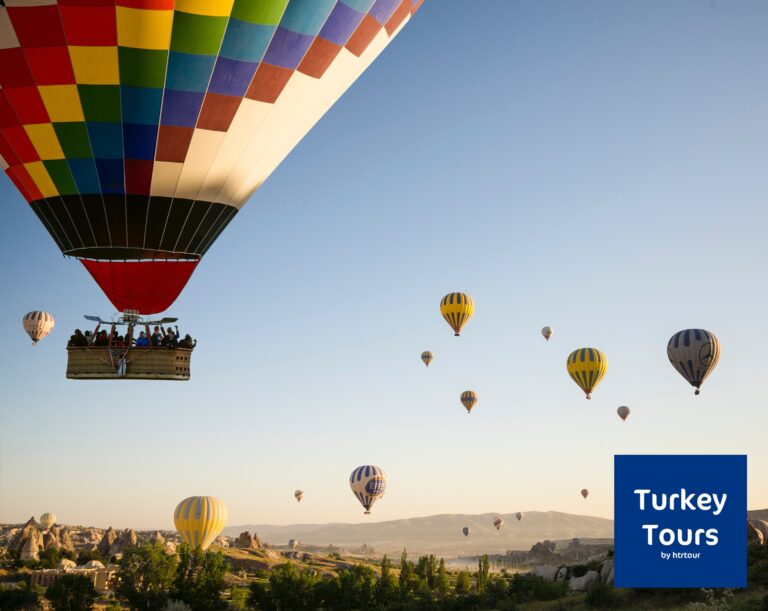
The allure of the Cappadocia fairy chimneys has made them a significant attraction for tourism, contributing to the local economy. Travelers flock to this region for hot air balloon rides offering breathtaking views of the fairy chimneys at sunrise, guided tours through historical sites, and opportunities for hiking in stunning valleys.
Economic Benefits of Tourism in Cappadocia
Tourism has spurred economic growth in Cappadocia, leading to increased investment in infrastructure, hospitality services, and local businesses. The fairy chimneys serve as both a natural wonder and a catalyst for economic development in this unique landscape.
Practical Insights for Visiting Cappadocia Fairy Chimneys
Planning Your Visit to Cappadocia Fairy Chimneys
When planning a trip to experience the Cappadocia fairy chimneys, there are several practical considerations to keep in mind. The best time to visit is during spring (April to June) or autumn (September to November) when temperatures are mild and crowds are smaller.
Suggested Itinerary for Cappadocia Fairy Chimneys
- Day 1: Arrive in Göreme; explore Göreme Open-Air Museum; take an afternoon hike through Pigeon Valley.
- Day 2: Enjoy a hot air balloon ride at dawn; visit Pasabag Valley (Monks Valley) to see some of the most striking fairy chimneys; relax at a local café.
- Day 3: Take a day trip to Ihlara Valley for hiking; explore underground cities like Kaymaklı or Derinkuyu.
Safety Tips for Exploring Cappadocia Fairy Chimneys
While exploring the fairy chimneys and surrounding areas, safety should be a priority:
- Wear Appropriate Footwear: Hiking boots or sturdy shoes are recommended due to uneven terrain.
- Stay Hydrated: Bring plenty of water, especially during warmer months.
- Respect Nature: Follow marked trails to protect the fragile ecosystem and avoid damaging historical sites.
Best Activities Around Cappadocia Fairy Chimneys
There are numerous activities that enhance your experience while visiting Cappadocia’s unique landscape:
- Hot Air Ballooning: A quintessential experience that offers panoramic views of the fairy chimneys against breathtaking sunrises.
- Horseback Riding: Explore valleys like Rose Valley or Love Valley on horseback for an intimate connection with nature.
- Cave Hotels: Experience staying in one of Cappadocia’s renowned cave hotels for an authentic immersion into local culture.
Future Perspectives on Cappadocia Geology and Tourism
Trends in Cappadocia Geotourism
As awareness grows around sustainable travel practices, geotourism is emerging as an important trend in places like Cappadocia. Tourists increasingly seek experiences that educate them about geology while minimizing environmental impacts.
Future Developments in Cappadocia’s Unique Landscape
Future developments may include enhanced educational programs focused on geology and conservation efforts aimed at preserving natural formations like the fairy chimneys. Increased collaboration between local governments and environmental organizations can lead to initiatives that protect this unique landscape while promoting responsible tourism.
Long-Term Environmental Implications for Cappadocia Fairy Chimneys
The long-term implications of human activity on Cappadocia’s geology cannot be overlooked. As tourism increases, so does the potential for environmental degradation. Understanding how these changes affect not only the fairy chimneys but also local ecosystems is critical for sustainability.
Expert Predictions on Cappadocia Geology
Geologists predict that ongoing erosion will continue to shape the landscape over time, potentially altering some formations significantly within decades. Monitoring these changes can provide valuable insights into climate patterns and geological processes.
Conclusion: Why Cappadocia Fairy Chimneys Are Worth Visiting
In conclusion, the Cappadocia fairy chimneys stand as remarkable symbols of nature’s artistry shaped by geological forces over millennia. This unique landscape offers much more than visual splendor; it intertwines geological significance with cultural history and ecological diversity.

Visiting these enchanting formations allows travelers to engage with both nature and history while contributing positively to local economies through responsible tourism practices. As we look toward the future, it is crucial to balance tourism with conservation efforts to ensure that this incredible destination remains intact for generations to come.
Frequently Asked Questions About Cappadocia Fairy Chimneys
What are the main characteristics of Cappadocia Fairy Chimneys?
Cappadocia Fairy Chimneys are characterized by their tall, thin spires topped with harder rock formations known as capstones. These unique shapes are created through volcanic activity followed by erosion processes that have sculpted them over time.
How were the fairy chimneys formed?
The fairy chimneys were formed by volcanic eruptions that deposited layers of tuff (volcanic ash) across the region. Erosion from wind and water gradually wore away softer materials while leaving behind harder rock caps intact, resulting in their distinctive shapes.
What is the best time to visit Cappadocia?
The best time to visit Cappadocia is during spring (April to June) or autumn (September to November) when temperatures are moderate and tourist crowds are smaller, allowing for more enjoyable exploration of its unique landscape.
Are there guided tours available for exploring Cappadocia’s unique landscape?
Yes, numerous guided tours are available that cater to different interests—ranging from historical explorations in Göreme Open-Air Museum to hiking adventures through scenic valleys featuring fairy chimneys.
Can visitors participate in hot air balloon rides over Cappadocia?
Absolutely! Hot air balloon rides are one of the most popular activities in Cappadocia, offering breathtaking aerial views of the fairy chimneys at sunrise—a truly unforgettable experience.
What cultural significance do fairy chimneys hold?
Fairy chimneys have been used by ancient civilizations as homes, churches, and storage spaces due to their soft structure that allowed for easy carving. Today they symbolize both natural beauty and historical heritage in Cappadocia.
How do I ensure my visit is environmentally friendly?
To promote sustainability during your visit, stick to marked trails when hiking, avoid littering, support local businesses, and consider participating in eco-tourism activities that prioritize conservation efforts.
What impact does tourism have on Cappadocia’s geology?
While tourism brings economic benefits, it can also lead to environmental degradation if not managed responsibly. Increased foot traffic can erode delicate rock formations; therefore, preserving these sites through sustainable practices is essential.
Discover Cappadocia Fairy Chimneys for Yourself
If you are captivated by the enchanting beauty of Cappadocia Fairy Chimneys and eager to explore this breathtaking landscape yourself, now is your time! Start planning your trip today—book your flights, find accommodations within stunning cave hotels, and prepare for an unforgettable adventure that blends nature with history. Discover firsthand why countless travelers rave about this unique destinatio